

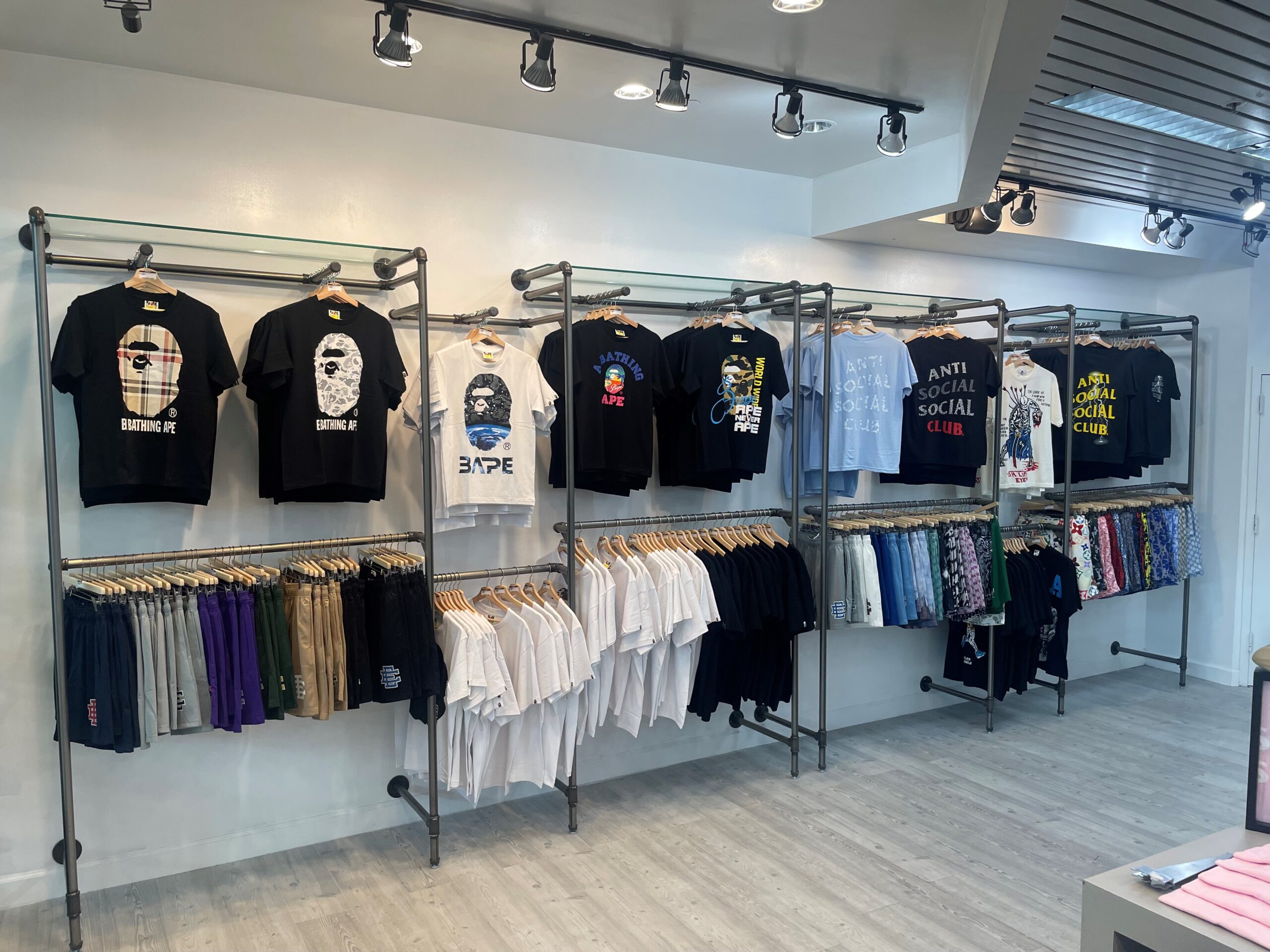
How Much Does It Cost To Open a Clothing Store?
The U.S. apparel market is worth $365.7 billion as of 2025, and it's growing. Despite the relentless pressure from fast fashion giants and e-commerce behemoths, independent clothing stores and boutiques continue to open — and the ones that survive do so by competing on something no national chain can replicate: curation, community, and a distinctly personal shopping experience. The average American household spends around $162 per month on apparel, and 58% of consumers still prefer to shop for clothing in-store rather than online.
For entrepreneurs with a genuine sense of style and a feel for their customer, a clothing store offers some of the best margins in specialty retail. Gross profit margins typically run 55–65% on individual items using keystone pricing (buying at wholesale and selling at 2x cost), and boutiques that build loyal customer bases can achieve net profit margins of 4–13%. The key challenge isn't margins — it's managing inventory risk. Over 40% of fashion goods are eventually sold at markdown, and dead stock is the single fastest way to erode the profitability that those strong gross margins promise on paper.
This guide breaks down every major cost category for opening a clothing store or boutique in 2026 — from licenses and location to inventory strategy, fixtures, technology, and the financial discipline that separates profitable clothing retailers from the ones that close after their second season.
Choosing Your Store Model
Before budgeting a single line item, the most important decision you'll make is which type of clothing retail operation you're building. The cost range is enormous — from a few thousand dollars for an online-only drop shipping model to $150,000+ for a fully built-out brick-and-mortar boutique — and each model has fundamentally different economics, risks, and operational demands.
A brick-and-mortar boutique is the highest-investment path but offers the highest ceiling for brand-building, customer relationships, and community presence. Costs run $50,000–$150,000 for a standard independent boutique, with high-end or large-format stores going higher. An online-first boutique can launch for $5,000–$20,000 and test demand with far less capital at risk. Many successful brick-and-mortar owners started online, validated their product mix, and then moved into a physical location once their customer base was established. A pop-up or market-first approach reduces rental costs by 70–80% compared to a long-term lease and lets you test locations, concepts, and customer response before committing to a storefront.
Consider starting hybrid: An online presence running simultaneously with your brick-and-mortar store is no longer optional — it's expected. 58% of consumers research clothing online before visiting a store. Budget for both channels from the start, even if your physical store is the primary focus.
| Store Model | Estimated Startup Range |
|---|---|
| Online-Only / E-Commerce Boutique | $5,000 – $20,000 |
| Pop-Up / Market Stall (Initial) | $5,000 – $25,000 |
| Small Brick-and-Mortar Boutique | $50,000 – $100,000 |
| Mid-Size Clothing Store | $100,000 – $200,000 |
| Full-Scale Specialty Retailer | $200,000 – $500,000+ |
| This Guide Focuses On | Brick-and-Mortar Boutique |
The remainder of this guide focuses on the brick-and-mortar boutique model, which is the most complete startup investment scenario. Online-only startup costs are dramatically lower but involve different cost structures (digital marketing, fulfillment, platform fees) that fall outside the scope of a physical store guide.
Licenses, Permits & Business Formation
A clothing store has one of the more straightforward licensing footprints in specialty retail — there's no category-specific federal or state permit required simply for selling apparel. Your primary requirements are standard business formation and retail operating permits. That said, certain common additions to a clothing store's product mix do require specific permits: if you carry perfume or cosmetics alongside apparel, some states require a cosmetics retailer registration. If you add alterations or tailoring services, you may need a service business license in addition to your retail license. Resale certificates (also called reseller permits) are essential for purchasing wholesale inventory without paying sales tax on goods you'll resell — this is a must-have from day one.
A resale certificate is your most important early document — it's what allows you to purchase inventory from wholesalers and trade shows at wholesale pricing without being charged sales tax. Apply for it before you attend your first trade show or contact any vendor, as most wholesale accounts require it before they'll open a buying relationship with you.
Trademark your brand early: If you're building a branded boutique with a distinct name and logo, file for a federal trademark before you open. Application fees run $250–$350 per class. Discovering a trademark conflict after you've built a brand — signage, packaging, online presence — is an expensive problem to fix. Check the USPTO database and file early.
| License / Permit / Filing | Cost Range |
|---|---|
| LLC or Corporation Formation | $50 – $500 |
| General Business License | $50 – $500/yr |
| Seller's Permit / Resale Certificate | $0 – $50 |
| Zoning / Occupancy Permit | $100 – $1,000 |
| Signage Permit | $100 – $500 |
| Trademark Filing (Per Class) | $250 – $350 |
| Attorney / Legal Consultation | $500 – $2,000 |
| Estimated Total | $1,050 – $4,900 |
Location & Rent
Location strategy for a clothing boutique is more nuanced than most retail categories. Foot traffic matters, but so does the type of foot traffic — a boutique positioned in the right neighborhood with the right demographics outperforms a higher-traffic location that doesn't match the customer profile. A women's contemporary boutique in a suburban lifestyle center near coffee shops and fitness studios will consistently outperform the same store in a discount strip mall regardless of absolute traffic counts.
Premium retail corridors, lifestyle centers, and walkable downtown shopping districts are the natural home for boutiques. Trendy neighborhoods with independent restaurants, galleries, and specialty retailers create an ecosystem where boutique shopping feels natural. Mall inline locations can work for certain concepts but require higher sales volumes to justify mall rents and common-area maintenance (CAM) fees. A typical boutique occupies 600–1,500 square feet — intimate enough to feel curated and manageable on your inventory budget.
Negotiate a tenant improvement allowance: Many commercial landlords will offer a tenant improvement (TI) allowance — a dollar contribution toward your buildout — as part of lease negotiations, especially for multi-year leases. A well-negotiated TI allowance can offset $10,000–$30,000 of your buildout costs. Always negotiate this before signing.
| Location Type | Monthly Rent |
|---|---|
| Small market / suburban (600–900 sq ft) | $1,200 – $3,500 |
| Lifestyle center / mid-size city (900–1,200 sq ft) | $2,500 – $6,000 |
| Premium retail corridor (1,000–1,500 sq ft) | $5,000 – $12,000+ |
| Mall inline (800–1,200 sq ft) | $5,000 – $15,000+ |
| First-Year Rent Cost (Mid-Market) | $30,000 – $72,000 |
Buildout costs for a boutique — interior design, lighting, fitting rooms, flooring, and brand-aligned décor — typically run $10,000–$60,000 depending on the finish level and condition of the space. The brand environment is a competitive tool in clothing retail; don't underspend on buildout if your concept is premium.
Opening Inventory
Inventory is the defining financial variable of a clothing store — and where most boutique owners either succeed or make a costly mistake. The gross margin opportunity in apparel is genuine: keystone pricing (buying at wholesale and retailing at 2x cost) delivers 50% gross margin on every full-price sale, and well-positioned boutiques push 55–65% gross margins across their mix. The risk is the other side of that equation: over 40% of fashion goods industry-wide are eventually sold at markdown, and each marked-down item directly compresses the margins you worked to build.
Apparel (Core Product Mix)
Your opening apparel buy should cover 4–8 weeks of projected sales, not more. First-time boutique owners often over-buy at trade shows, excited by the selection and vendor energy. The discipline to buy conservatively — investing in depth on proven sellers rather than breadth across unproven SKUs — is one of the most important skills in boutique retail. Budget $15,000–$40,000 for a well-curated opening apparel selection for a 600–1,000 sq ft boutique.
Accessories & Ancillary Products
Accessories — jewelry, bags, scarves, belts, and footwear — typically carry higher margins than apparel and faster inventory turns. They also make excellent impulse and add-on purchases that increase average transaction value. Budget $3,000–$10,000 for accessories depending on how prominently your concept features them.
Packaging & Branded Supplies
Custom branded shopping bags, tissue paper, hang tags, and packaging are brand-building investments that many first-time boutique owners underestimate. These items reinforce your brand at the moment of purchase and on the street after the sale. Budget $1,000–$3,000 for opening packaging supplies.
| Inventory Category | Estimated Cost |
|---|---|
| Apparel (Core Opening Buy) | $15,000 – $40,000 |
| Accessories (Jewelry, Bags, Scarves) | $3,000 – $10,000 |
| Footwear (If Applicable) | $3,000 – $10,000 |
| Lifestyle / Home Goods (If Applicable) | $1,000 – $5,000 |
| Branded Packaging & Supplies | $1,000 – $3,000 |
| Total Opening Inventory | $23,000 – $68,000 |
Negotiate Net-30 or Net-60 terms: Many wholesale vendors — especially those at trade shows — will offer Net-30 or Net-60 payment terms to established relationships, meaning you receive and start selling the inventory before the invoice is due. This significantly improves your cash flow in the crucial early months. Ask for these terms on your first order; the worst answer is no.
Fixtures, Displays & Store Design
In a clothing store, your fixtures and store environment are not just functional — they are the brand. Customers decide within seconds of entering whether a boutique feels like their kind of place, and the fixture design, lighting, and overall aesthetic either confirms or rejects that judgment before they've looked at a single price tag. A beautifully designed boutique environment commands higher price points, attracts the right customer, and keeps them browsing longer. DISPLAYARAMA's free 2D store layout service can help you plan your fixture configuration before you spend a dollar on store design.
Clothing store fixtures — garment racks, display tables, wall-mounted rod systems, and display cases for accessories — need to work both functionally and aesthetically. The fixture style should be consistent with your brand voice: a contemporary minimalist boutique calls for clean steel and white fixtures; a bohemian or vintage concept calls for wood, natural materials, and eclectic display elements. Cohesion in your fixture selection is what separates a boutique that feels intentional from one that feels assembled at random.
| Fixture / Component | Estimated Cost |
|---|---|
| Garment Racks (Freestanding + Wall-Mounted) | $1,500 – $6,000 |
| Display Tables & Pedestals | $1,000 – $5,000 |
| Slatwall Panels (Wall Display Systems) | $1,000 – $4,000 |
| Display Cases (Jewelry, Accessories) | $1,000 – $5,000 |
| Fitting Rooms (2–3 Rooms) | $2,000 – $10,000 |
| Checkout Counter / Cash Wrap | $800 – $3,500 |
| Mirrors (Full-Length + Display) | $500 – $2,000 |
| Lighting (Track, Accent, Fitting Room) | $1,500 – $6,000 |
| Signage (Interior + Exterior) | $1,000 – $5,000 |
| Total Fixtures & Store Setup | $10,300 – $46,500 |
Fitting rooms deserve special attention in clothing retail. They are where purchase decisions are finalized — and a well-designed fitting room with flattering lighting, an honest but complimentary mirror, and adequate space turns browsers into buyers at a dramatically higher rate than a cramped, poorly lit stall. Budget for fitting rooms as a genuine sales tool, not an afterthought.
Lighting is equally critical. Apparel looks completely different under warm versus cool lighting. Most successful boutiques use warm-toned LED accent lighting over merchandise displays and fitting room lighting that is bright and flattering. Good lighting makes clothes look better and customers feel better — both of which directly translate to sales.
DISPLAYARAMA has been supplying retail fixtures to specialty stores since 1980. We carry display cases, slatwall systems, checkout counters, and wall display solutions — everything needed to build a clothing store environment that presents your merchandise beautifully and reflects your brand.
Our team can help you plan your layout and select the right fixture combination for your space and concept. Call us at 1-800-292-5227 or get your free layout plan below.
Get My Free Store Fixture Layout Plan →Technology, Staffing & Operations
A clothing store's technology stack needs to handle the specific demands of fashion retail: seasonal inventory management, style-color-size matrix tracking, markdown management, customer purchase history for personalized recommendations, and integrated e-commerce so your online and in-store inventory stays in sync. General-purpose POS systems often fall short on these fashion-specific requirements. Platforms like Lightspeed Retail, Shopify POS, or Square for Retail are strong options for boutiques; more sophisticated options like Counterpoint or Retail Pro serve larger operations.
Staffing a clothing boutique is different from most retail categories — the store associate is a style advisor, not just a cashier. The quality of customer service and style guidance your team delivers is a direct competitive advantage over online shopping and chain retailers. A customer who has a great experience with a knowledgeable, attentive boutique associate becomes a loyal regular. Budget for competitive wages and invest in ongoing product and styling knowledge for your team.
Start with e-commerce from day one: 79% of fashion sales happen in stores, but online presence drives discovery and repeat purchases. A basic Shopify or WooCommerce store integrated with your in-store POS costs $500–$2,000 to set up and immediately extends your reach beyond walk-in traffic. Build it into your opening budget rather than treating it as a future project.
| Technology / Staffing / Operations | Estimated Cost |
|---|---|
| Fashion POS System (Hardware + Setup) | $500 – $2,500 |
| POS Monthly Software Fee | $79 – $300/mo |
| E-Commerce Website Setup | $500 – $3,000 |
| E-Commerce Monthly Platform Fee | $29 – $300/mo |
| Staff Wages (Monthly — Small Boutique, 1–3 Staff) | $4,000 – $12,000/mo |
| Business Insurance (Annual) | $1,500 – $5,000 |
| Security System / Cameras | $500 – $2,500 |
| Marketing / Social Media / Grand Opening | $2,000 – $8,000 |
| Utilities (Monthly Average) | $300 – $1,200/mo |
| First-Year Technology + Operations | $67,400 – $195,600+ |
Total Startup Cost Summary
When all categories are totaled, opening a clothing boutique in 2026 typically requires $50,000–$75,000 for a lean small-market boutique and $100,000–$150,000 for a properly equipped mid-size boutique in a solid retail location. Larger stores, premium locations, and high-end build-outs push significantly higher.
| Expense Category | Estimated Range |
|---|---|
| Licenses, Permits & Business Formation | $1,050 – $4,900 |
| First Month's Rent + Security Deposit | $2,400 – $18,000 |
| Leasehold Improvements / Buildout | $10,000 – $60,000 |
| Opening Inventory | $23,000 – $68,000 |
| Fixtures & Store Design | $10,300 – $46,500 |
| Technology & POS Setup | $1,000 – $5,500 |
| Working Capital Reserve (3–6 months) | $15,000 – $50,000 |
| Total Estimated Startup Investment | $62,750 – $252,900 |
Plan for 12–24 months to profitability. Clothing boutiques take time to build a loyal customer base and establish their seasonal rhythm. The first full year is largely about learning what your specific customers want, editing your buying accordingly, and building the repeat traffic that makes a boutique economically durable. Having 3–6 months of fixed operating costs in reserve when you open is the standard recommendation — and one of the most commonly ignored ones.
How to Maximize Revenue
The clothing boutiques that build durable, profitable businesses aren't competing with Zara on price or Amazon on selection. They're winning on curation, experience, and the specific customer relationships that make a neighborhood boutique a genuine community institution. Here's how the best operators maximize revenue and protect their margins.
Buy Conservatively, Reorder Fast
The most common and most costly mistake in boutique retail is over-buying at market. Start with a conservative opening buy across your categories, identify your bestsellers quickly, and reorder them at full price rather than carrying excess slow-moving inventory into markdown season. Fewer SKUs, deeper on winners.
Build Accessories Revenue
Accessories consistently carry better margins than apparel and add to transaction value without requiring additional floor space. A customer buying a $95 dress is an easy upsell to a $45 belt or $60 necklace. Train your staff to build outfits, not just ring items — accessories are where boutique profit lives.
Build a Social Media Presence That Sells
Instagram and TikTok are the discovery engine for clothing boutiques. New arrivals posted in consistent, well-lit, brand-aligned content build a following that drives both online sales and in-store visits. Boutiques with strong social presence routinely see 20–40% of their revenue influenced by social content.
Launch a VIP / Loyalty Program
Your top 20% of customers drive roughly 80% of your revenue. A VIP program — early access to new arrivals, private shopping events, exclusive discounts for repeat customers — builds loyalty that makes customers choose your store over online alternatives even when the price is slightly higher.
Host Events & Styling Sessions
Private styling appointments, trunk shows, seasonal sip-and-shop events, and brand collaboration nights drive revenue on slow days and create the kind of community connection that online retail can never replicate. Events generate revenue and word-of-mouth simultaneously.
Manage Markdowns Strategically
Industry-wide, over 40% of fashion goods are eventually marked down. The stores with the strongest margins mark down early and decisively — moving slow inventory before it ages further — and use that cash to reorder bestsellers at full margin. Holding inventory hoping it sells full price often costs more than the markdown would have.
Why Your Fixtures Matter
In a clothing store, fixtures are the silent salespeople. How garments are hung, displayed, grouped, and lit determines which pieces get noticed and which get overlooked. A beautiful blazer on a cohesive, well-styled rack display draws a customer in; the same blazer folded on a table with mismatched items might not register at all. Store design is not decoration — it's a revenue strategy.
The most successful boutiques treat their floor as a constantly evolving editorial — like a magazine layout that tells a style story. New arrivals at the front, curated outfit groupings throughout, and accessories displayed in context with the apparel they complement. The fixture system that enables this kind of visual merchandising is one of the most important investments you make. Prioritize these when planning your store:
- Garment racks and wall rod systems at consistent, brand-aligned heights — merchandise at eye level and slightly above sells at the highest rate
- Display tables and pedestals for folded items, featured pieces, and lifestyle accessories — these create visual variety and slow the customer down to browse
- Slatwall panels for flexible wall merchandising — configurable for hanging, shelving, and accessory display without permanent construction
- Glass display cases for fine jewelry, premium accessories, and any small, high-value items — protection and presentation in one fixture
- Well-designed fitting rooms with flattering lighting and honest mirrors — this is where the sale either happens or doesn't
DISPLAYARAMA has been outfitting specialty retail stores with professional-grade display fixtures since 1980. We carry display cases, slatwall panels, checkout counters, wall display solutions, and more — everything you need to build a clothing store environment that makes your merchandise look exactly as good as it deserves to.
Our team can help you plan your store layout and select the right combination of fixtures for your square footage, concept, and budget. Bulk pricing available for full store buildouts.
Get My Free Store Fixture Layout Plan →Ready to Fixture Your Clothing Store?
If you're opening a clothing store and need to source fixtures and display solutions, start with DISPLAYARAMA's free 2D store layout service — a no-cost resource where our team creates a professional floor plan with specific fixture recommendations for your space. It saves hours of guesswork and gives you a clear picture of your fixture investment before you commit. Request your free layout plan here.
Display Cases
Locking glass display cases for fine jewelry, premium accessories, and high-value small items — professional presentation that protects inventory and elevates the perceived value of what's inside.
Slatwall Panels
Flexible slatwall wall systems that hold garment rods, shelves, hooks, and display accessories in any configuration — fully reconfigurable as your merchandise mix and visual merchandising strategy evolve.
Checkout Counters
Professional cash wrap counters built to handle boutique transaction flow — designed to integrate your POS hardware, display impulse accessories, and provide the polished final touchpoint your brand experience deserves.
Wall Display Systems
Wall-mounted display solutions for featured collections, seasonal merchandise, and brand story moments — the perimeter of your store is premium visual real estate that should work as hard as your floor.
Display Tables & Pedestals
Freestanding display tables and pedestals for folded merchandise, featured items, and lifestyle accessories — the visual punctuation that slows customers down and invites closer browsing.
Bulk Pricing Available
Outfitting a full store? DISPLAYARAMA offers bulk pricing on fixtures and display solutions. The more you order, the more you save. Call 1-800-292-5227 for a custom quote.
DISPLAYARAMA's free 2D store layout service gives you a professional floor plan with specific fixture recommendations for your clothing store — at no cost. It's designed to save you hours of guesswork and give you a clear picture of your fixture investment before you commit. We've been helping specialty retailers design their stores since 1980, and we offer bulk pricing for owners outfitting a full floor.
Submit your space dimensions and store type and we'll put together a custom layout plan with exactly the fixtures that will work for your clothing store.
Get My Free Store Fixture Layout Plan →